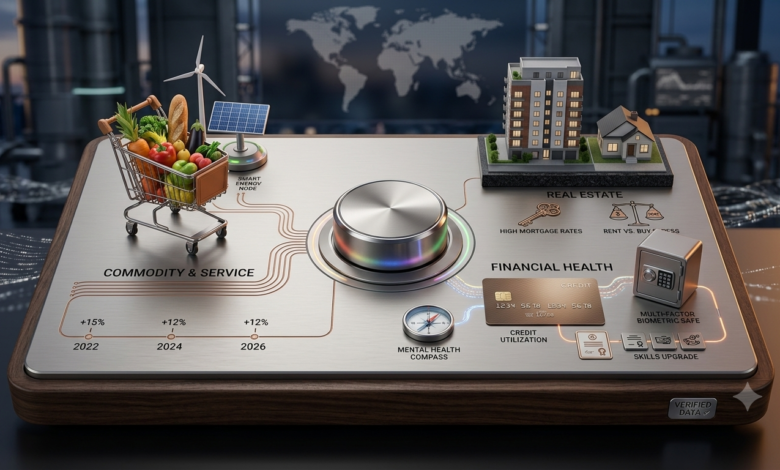
Everyday life for millions of households across the United States is defined by a complex web of economic pressures, rapid technological shifts, and evolving social dynamics. As families manage monthly budgets, navigate career changes, and balance personal well-being, several dominant macro forces directly influence their daily routines and peace of mind.
Understanding the primary issues affecting Americans in 2026 provides essential perspective on how individuals, families, and communities are adapting to a fast-changing national landscape. From household finances to emerging technology, these key factors are shaping the American consumer experience this year.
Economic Pressures: Cost of Living, Housing, and Household Finances
Economic stability remains the central concern for most households. While overall economic activity has continued to expand, everyday expenses continue to test family budgets.
Inflation and Everyday Grocery Expenses
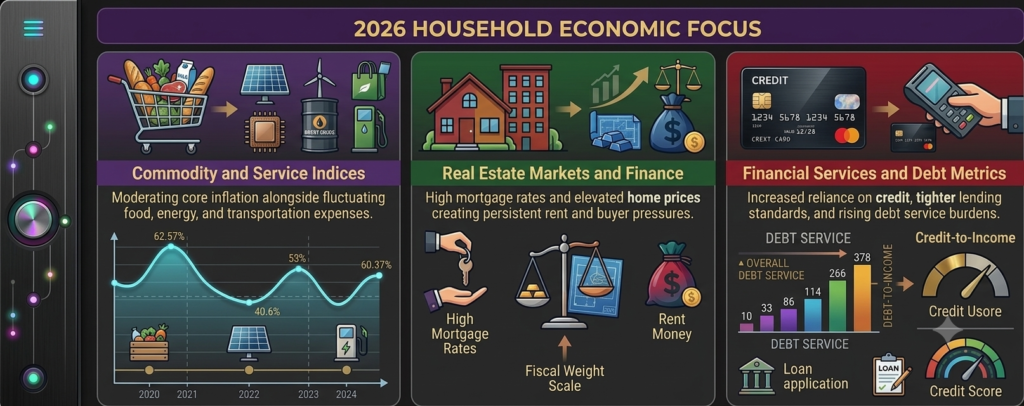
Though overall consumer price growth has moderated significantly from post-pandemic peaks—hovering around mid-3% annualized levels in recent months—the cumulative effect of several years of elevated prices remains noticeable. Shoppers still face high baseline costs for staples like groceries, dining out, and personal care items.
The Housing Affordability Bottleneck
Housing affordability remains one of the most stubborn economic challenges:
-
High Mortgage Rates: Rates continue to keep many potential buyers on the sidelines, creating a “lock-in” effect where existing homeowners are reluctant to sell.
-
Rental Market Pressures: While rent growth has cooled in select markets, elevated demand keeps rental prices high relative to historical wage growth.
-
Home Prices: Median home price growth remains steady, keeping homeownership out of reach for many first-time buyers.
Healthcare, Education, and Household Debt
Managing non-negotiable living expenses requires careful planning, with medical care and higher education standing out as major long-term financial commitments.
Medical Bills and Access to Care
Healthcare expenses continue to outpace general inflation for many families. Out-of-pocket prescription costs, rising insurance premiums, and administrative hurdles present ongoing challenges. Simultaneously, shortages of primary care providers in rural and suburban communities have lengthened wait times for routine appointments.
Education Costs and Student Loans
Higher education costs remain a significant structural burden. Families are increasingly weighing the return on investment of traditional four-year degrees against technical certifications and vocational training. Meanwhile, federal student loan repayments continue to absorb a notable share of monthly disposable income for younger workers.
The Changing World of Work: AI, Wages, and Job Market Realities
The U.S. labor market presents a nuanced picture in 2026. While unemployment remains relatively low by historical standards, workforce dynamics are undergoing structural changes.
Artificial Intelligence in the Workplace
Generative AI and agentic systems are transitioning from experimental tools to core operational infrastructure across financial services, technology, healthcare, and customer support:
-
Emerging Roles: Demand for specialized AI engineers, system integrators, and technical project leads has surged.
-
Task Automation: AI tools are increasingly handling routine data entry, basic coding tasks, report generation, and initial customer support queries.
-
Reskilling Needs: Employers are prioritizing workers who possess human-centric skills like strategic reasoning, complex problem solving, and adaptive communication alongside technical fluency.
Community Dynamics, Environment, and Modern Well-Being
Beyond direct economic metrics, broader societal and environmental issues heavily influence how Americans experience their daily lives.
Public Safety, Infrastructure, and Immigration
Local community concerns vary widely across region and demographic lines. In urban centers, public safety, public transit efficiency, and local commercial vitality remain top priorities. Meanwhile, ongoing discussions surrounding immigration policy continue to impact local labor availability, municipal resources, and broader economic development strategies across border state and interior communities alike.
Extreme Weather and Environmental Realities
Environmental shifts are increasingly felt through direct household expenses:
-
Property Insurance Rates: Severe weather events have caused homeowners insurance premiums to rise sharply in high-risk coastal and climate-vulnerable zones.
-
Energy Costs: Regional grid reliability and seasonal energy price spikes continue to affect household utility bills.
-
Commuting Expenses: Fuel price fluctuations directly affect daily transit budgets for vehicular commuters.
Mental Health and Workplace Balance
The conversation surrounding mental health has firmly integrated into mainstream corporate and social life. Flexible and hybrid work arrangements remain highly valued by employees seeking better work-life balance, even as some corporations push for increased office attendance. Managing digital overload, burnout, and family caregiving duties remain ongoing challenges for working adults.
Looking Ahead: What Americans Are Watching in 2026
As 2026 continues, the primary issues affecting Americans in 2026 reflect a society adapting to rapid technological change alongside steady economic reality. Families will be watching closely to see if borrowing costs ease, how employer integration of AI reshapes long-term career stability, and whether policymakers can deliver targeted relief on essential costs like housing and healthcare.
By staying informed, prioritizing digital security, and adapting to evolving workplace skills, households continue to build resilience while navigating the challenges and opportunities of modern American life.