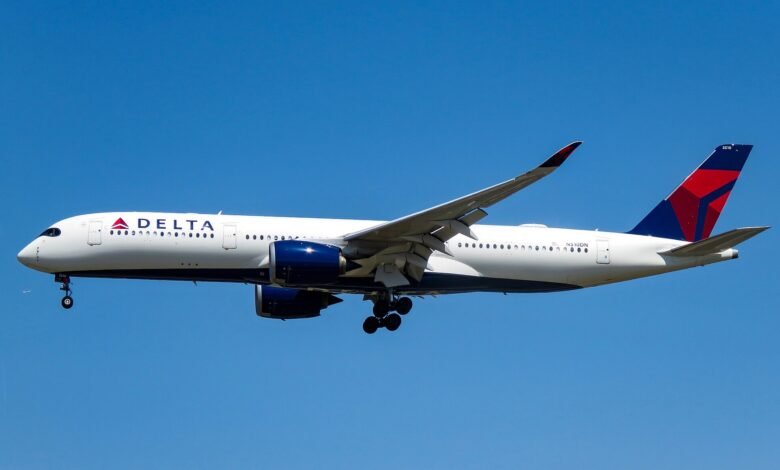
Delta Air Lines is cutting back its flight schedule this quarter as soaring fuel prices—driven by geopolitical tensions—put pressure on operating costs.
The airline now expects its fuel bill to exceed earlier projections by more than $2 billion, prompting a strategic shift in capacity and pricing.
Capacity Cuts to Offset Rising Costs
Speaking during the Q1 earnings call, CEO Ed Bastian confirmed that Delta is “meaningfully reducing capacity” in the current quarter.
Originally, Delta planned to grow capacity by around 3% in 2026 compared to last year. However, it now expects second-quarter capacity to remain flat year-over-year.
The airline is focusing cuts on:
- Off-peak flights
- Early morning and late-night schedules
- Red-eye routes
This targeted reduction aims to balance operational efficiency without significantly impacting demand.
Higher Fares and Fees to Recover Costs
Despite scaling back flights, Delta says demand remains strong across all cabin classes.
To offset rising fuel expenses, the airline plans to recover 40% to 50% of additional fuel costs through:
- Increased ticket prices
- Higher ancillary fees
- A newly introduced $10 increase in checked baggage fees
This pricing strategy reflects a broader industry trend as airlines adjust to sustained high fuel prices.
Refinery Advantage Offers Cost Relief
Unlike most U.S. carriers, Delta owns its own refinery—providing a unique edge during periods of volatile fuel prices.
The airline expects this asset to generate approximately $300 million in fuel savings in the second quarter, helping cushion the financial impact.
Financial Performance and Outlook
Delta reported strong top-line growth despite rising costs:
- Q1 Revenue: $15.85 billion (up 13% year-over-year)
- Operating Expenses: $15.35 billion (including a 14% rise in fuel costs)
- Operating Income: $501 million (down 12% YoY)
The airline posted a net loss of $289 million, largely due to $550 million in unrealized investment losses, not core operations.
Looking ahead, Delta remains cautiously optimistic:
- Projected Q2 Pre-tax Profit: ~$1 billion
- Operating Margin: 6%–8%
Industry Outlook Amid Fuel Volatility
Fuel prices have nearly doubled this year, largely influenced by the Iran conflict. While a temporary ceasefire began on April 7, airlines expect elevated fuel costs to persist.
Delta has chosen not to issue a full-year 2026 forecast due to ongoing uncertainty.
However, the company believes its strong balance sheet, refinery ownership, and premium customer base position it better than competitors to navigate the turbulence.
Market Reaction
Investor sentiment remained positive following the announcement. Delta’s stock saw an increase of around 6% in afternoon trading, mirroring gains across the broader airline sector.
The Bottom Line
Delta’s decision to cut capacity highlights how deeply fuel costs influence airline strategy. By reducing flights, raising fares, and leveraging its refinery advantage, the airline aims to protect profitability while maintaining strong demand.
As fuel volatility continues, airlines may increasingly rely on similar tactics to stay resilient in an uncertain global environment.